How to Read Nicotine Pouch Labels and Compare Strength
Nicotine pouch labels can look simple at a glance, but the small print carries the details that matter. Strength, pouch count, flavour names and usage guidance are often packed into a tight space. Reading them in a steady order makes comparisons easier, especially when products are grouped by strength and flavour for adults aged 18 and over.
Start with the basic product identity. Look for the brand and product name first, then check the flavour description. A flavour name can help you narrow choices, but it does not tell you how strong the product is. Some names sound bold or intense while the nicotine content may sit lower than expected. Treat flavour as a separate detail, useful for preference rather than potency.
Read the strength line before anything else
The next thing to check is the nicotine strength. This is usually shown as an amount per pouch, often in milligrams. Some labels also show a strength category, such as light, medium, strong or extra strong. Those categories can be helpful, but the numeric amount gives a clearer basis for comparison. If two products use different wording, compare the per pouch figure rather than relying on the descriptor.
Watch for whether the figure refers to one pouch or the whole tin. A label that gives an amount per pouch is much easier to judge than one that only gives a total. If the total is stated, check the pouch count and work out the amount per pouch before comparing it with other products. This avoids mistaking a larger tin for a stronger product.
Some products list nicotine in more than one way, for example as a per pouch amount and a percentage. These are not always directly interchangeable. Keep the per pouch figure as your main point of reference. If a label uses terms you do not recognise, slow down and read the surrounding text rather than guessing. Nic Pouch uk strong nicotine pouches can be compared in the same way, by reading the printed strength and then matching it against other options.
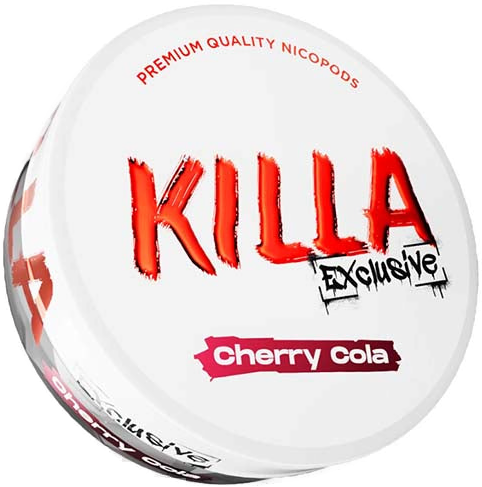
Check the pouch count and serving detail
After strength, look at how many pouches are in the tin. Pouch count affects how long a tin may last and how easy it is to compare products. A higher count does not mean a stronger product, but it can influence value and convenience. If you are comparing two similar strengths, the count becomes more useful.
Then read any directions or serving guidance on the pack. Nicotine is an active substance, so the label may include advice about how many pouches to use and how long to keep one in place. Follow the product instructions and local age restrictions. The retailer context here is for adults aged 18 and over, and nicotine pouches are not intended for children or young people.
Pay attention to wording such as "one pouch at a time" or similar usage advice. If the pack gives a maximum, do not treat it as a target. It is a boundary. People differ in how they respond to nicotine, and a strength that feels mild on one label may feel very different for another person. A cautious approach is to start with a lower strength when comparing unfamiliar products, then read the label again before trying anything stronger.
Look for the format and flavour notes
Nicotine pouches are not the same as tobacco products, but labels may still include terms that need a second look. Check whether the pack says "tobacco free" or uses similar wording, and note whether that refers to the pouch contents or the wider product description. Read the ingredient list if one is printed. Ingredients can help explain texture, moisture or flavour, though they do not usually tell you much about strength.
Flavour notes are often written in layers, such as mint with a cooler finish, fruit with a sweet edge, or a plain unflavoured option. This wording is about taste and sensation, not nicotine level. Mint or cooling descriptions can feel sharper in the mouth, which some people may read as strength. Separate that sensation from the nicotine amount on the label.
Another detail worth checking is pouch size or format. Some packs use slim pouches, while others use a broader format. The physical size is not the same as strength, even if a larger pouch feels more noticeable. If the label gives a wet or dry texture description, treat that as comfort and flavour information. A drier pouch may release flavour differently from a juicier one, but the nicotine figure remains the comparison point.
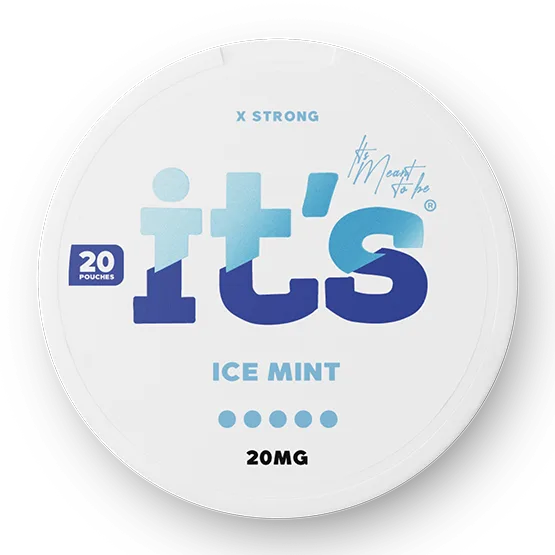
Compare products by strength, then by preference
Once you know how to read a single label, comparing several products becomes easier. Keep the first pass narrow. Put products with a similar per pouch strength together, then compare flavour, pouch count and format. This avoids the common mistake of choosing by flavour first and then being surprised by the strength.
A simple method is to note four details for each product: nicotine per pouch, strength category, pouch count and flavour. Those four lines are often enough to sort a mixed selection into a shortlist. If a label leaves one of those details unclear, do not fill the gap with an assumption. Another product with clearer information may be easier to judge.
Nic Pouch uk is one example within the wider market of nicotine pouches from more than 30 brands, organised by strength and flavour for adults aged 18 and over. That kind of structure only helps if the label is read properly. Sorting by a bold strength word alone can miss the difference between products. Sorting by the per pouch figure gives a more reliable starting point.
Watch for warnings and age information
Never skip the warning panel. It may include information about nicotine dependence, pregnant people, young people or storage. This section is not decorative, and it can affect whether a product is suitable for a particular adult. If any warning conflicts with what you thought from the front of the pack, the warning is the safer guide.
Check the age marking too. In this context, products are for adults aged 18 and over. If a pack is damaged, unreadable or missing key information, it is sensible to avoid relying on it. Clear labelling matters because strength decisions depend on precise details.
Storage notes are also worth a look. Labels may advise keeping pouches sealed, dry or away from heat. Following those notes helps preserve the product as intended. If the tin has been opened, keep track of the flavour and strength rather than assuming all pouches in a drawer are the same.
Make a final label check before choosing
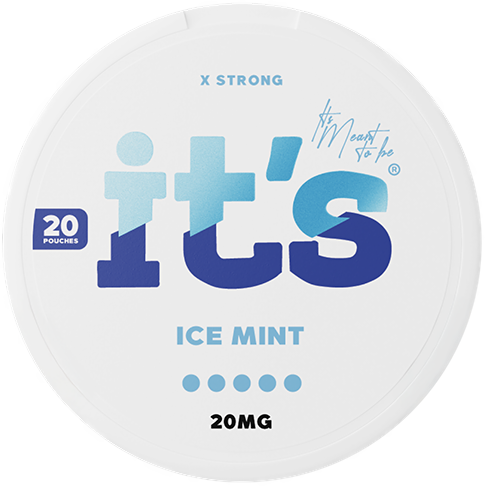
Before making a choice, reread the label in the same order each time: product name, nicotine per pouch, strength category, pouch count, flavour, format and warnings. This routine takes only a moment and reduces the chance of mixing up similar packs. It is especially useful when two flavours from the same range have different strengths.
Practical judgement matters here. A product with a clear label is easier to compare than one that relies on vague terms. If you are unsure between two strengths, the lower option gives more room to assess how the product feels. If you are comparing flavours at the same strength, focus on taste notes and pouch format instead.
Reading nicotine pouch labels is less about memorising every term and more about knowing which details carry weight. Strength comes first, pouch count gives context, and flavour helps with preference. Warnings and age information set the boundaries. Follow that order and the label becomes a useful tool rather than a wall of small print.